About
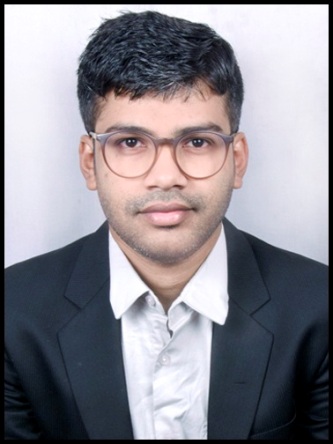
Dr. Pronit Biswas is an Assistant Professor at the School of Forensic Science, National Forensic Sciences University, Tripura Campus, under the Ministry of Home Affairs, Government of India. He specializes in forensic toxicology, neurotoxicology, analytical toxicology, and cognitive neuroscience. Dr. Biswas completed his Ph.D. in Forensic Science (Neurotoxicology) from Dr. Harisingh Gour Vishwavidyalaya and qualified UGC-JRF in Forensic Science in both 2014 and 2015.
His research primarily focuses on neurotoxicity induced by non-permitted food colorants, therapeutic drug monitoring, metabolomics, and analytical method development using chromatographic techniques. He has published several research articles in reputed international journals including Toxicology International, Drug and Chemical Toxicology, Food and Chemical Toxicology, CNS & Neurological Disorders - Drug Targets, and Toxicology Research. He has also contributed chapters to internationally recognized academic books published by CRC Press, Bentham Science, and Nova Science Publishers.
Dr. Biswas has presented his research at numerous national and international conferences, including world congresses on Parkinson’s disease and neurodegenerative disorders. His academic and research contributions emphasize the intersection of forensic science, neuroscience, and toxicology.
In addition to his research activities, he possesses teaching experience at undergraduate and postgraduate levels across reputed institutions including CHRIST University and National Forensic Sciences University. He has guided postgraduate dissertations and contributed to e-content development initiatives under CEC-UGC.
Dr. Biswas is a life member of the Indian Academy of Neurosciences (IAN) and the Forensic Science Development Society (FSDS), India, and also serves as a regular member of the Asian-Pacific Society for Neurochemistry (APSN) and the International Society for Neurochemistry (ISN). His ongoing work continues to advance research in forensic toxicology and neurobehavioral sciences with translational and societal relevance.
No. of Publications
Research Paper
5
Book
0
Book Chapter


